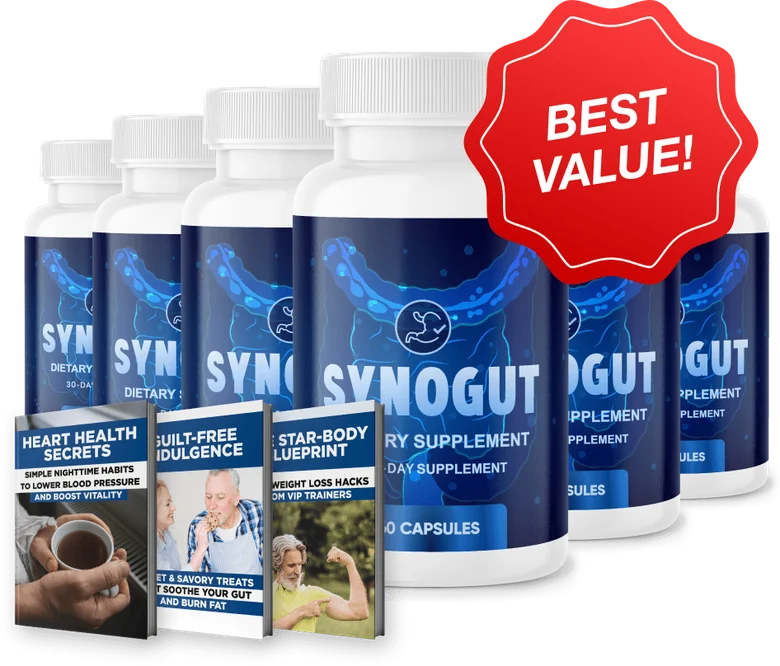
How To Read A Supplement Label
A checklist worth running on any gut-health product, especially ones using strong healing language.
Gut-health labels are especially prone to strong healing language that outpaces what fiber and botanical ingredients can verify. Before trusting any product in this category — including this one — here's the checklist worth actually running.
1. Does it claim to 'repair' or 'heal' tissue?
Words like “repair” and “heal” are stronger than “support” or “may help maintain.” Treat repair-language claims with extra scrutiny.
2. Does it say 'FDA Approved'?
No dietary supplement is FDA approved. If you see this exact phrase, that's worth noticing before you trust anything else on the page.
3. Named ingredients, or a vague blend?
A proprietary blend lets a brand list a combined weight without disclosing individual amounts. A label naming each ingredient individually, like Psyllium Husk or L. Acidophilus specifically, gives you more to actually evaluate.
4. Is the timeline realistic, or overpromised?
Fiber and probiotic ingredients generally take 1-4 weeks to show effects, not days. A page promising same-day dramatic results is setting an expectation the biology doesn't support.
5. Manufacturing claims that actually mean something
“Made in the USA,” “FDA-registered facility,” and “GMP certified” are specific, checkable claims — not the same as FDA approval.